Case Study
Jessy Smart

Goal

To study settlement structures in the surroundings of Karakorum, the first capital of the Mongol Empire, geoarchaeological investigations were to be carried out in the Orkhon Valley to explore early settlement and infrastructure development.

History

The research project builds on a collaboration established in 2009 with the University of Bonn (Prof. Bemmann, Department of Prehistoric and Early Historical Archaeology) , which has fostered a continuous scientific and cultural exchange between Mongolia and Germany. During regular multi-week research stays, various archaeological and cultural monuments in the Orkhon Valley and their connections to the capital Karakorum have already been investigated.
Achieved
result

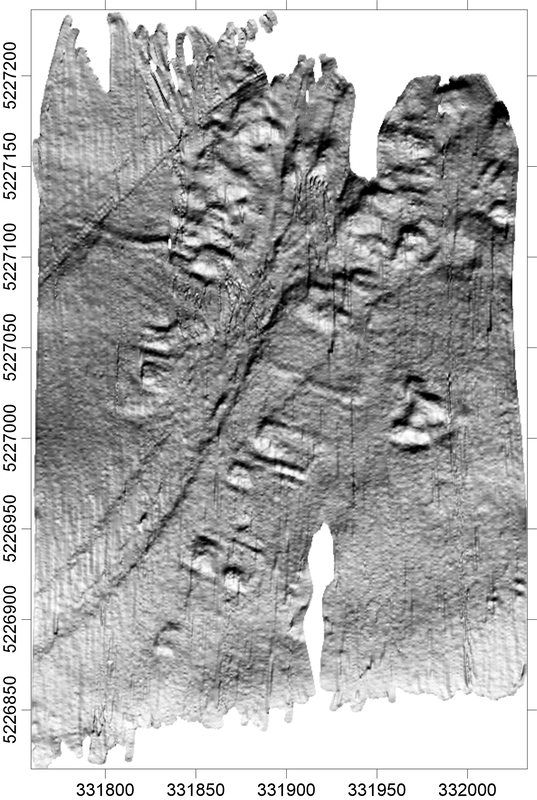
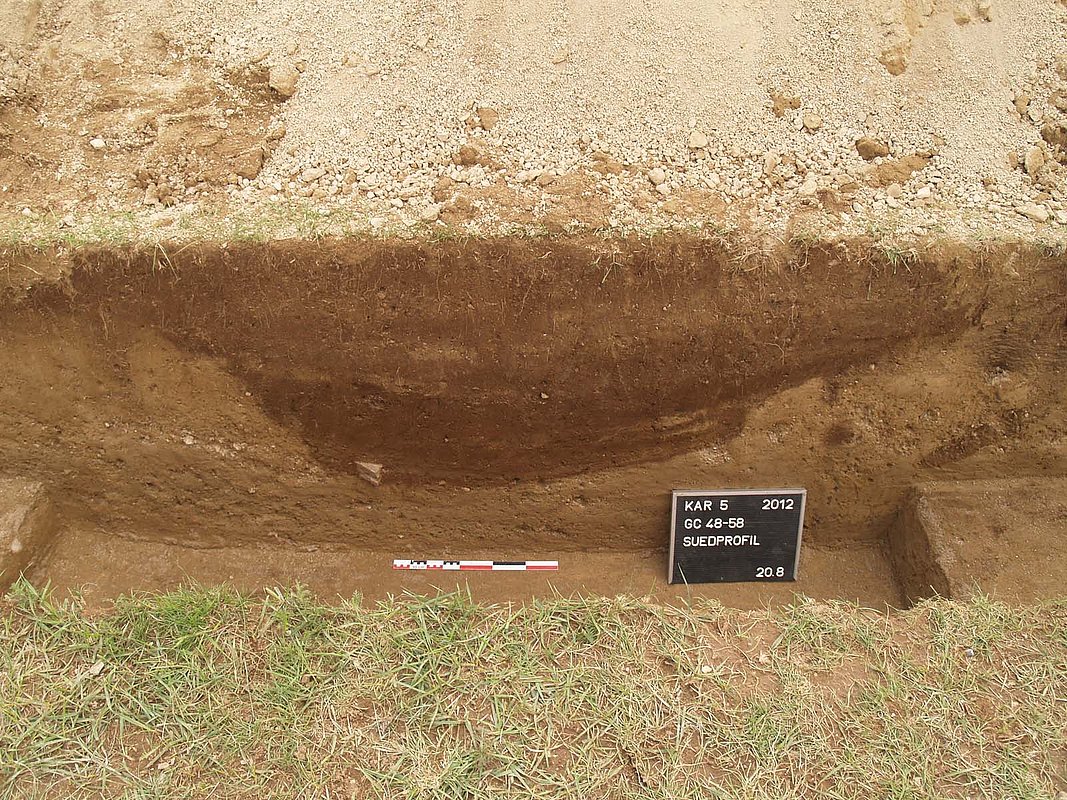
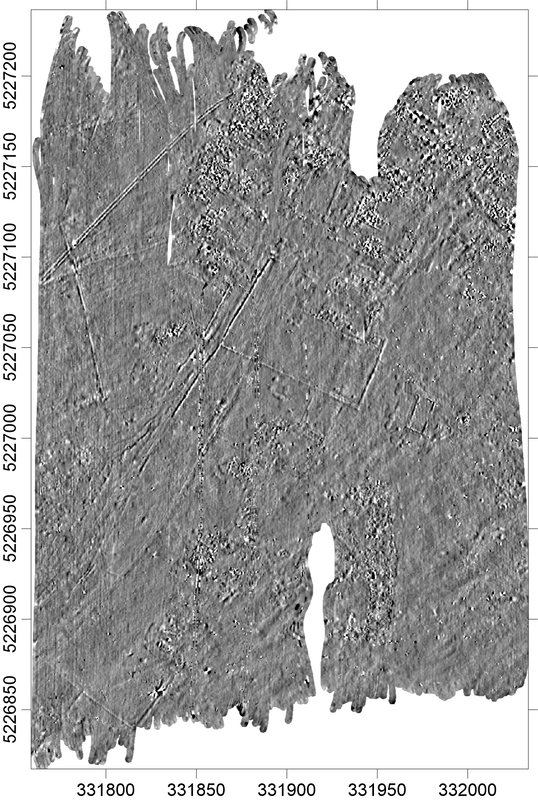
Using the Jessy Deep technology, high-resolution gradient data over an area of 270 m × 415 m were acquired, and a georeferenced digital terrain model was created, displaying surface-related 3D structural reconstructions of trenches and wall formations.

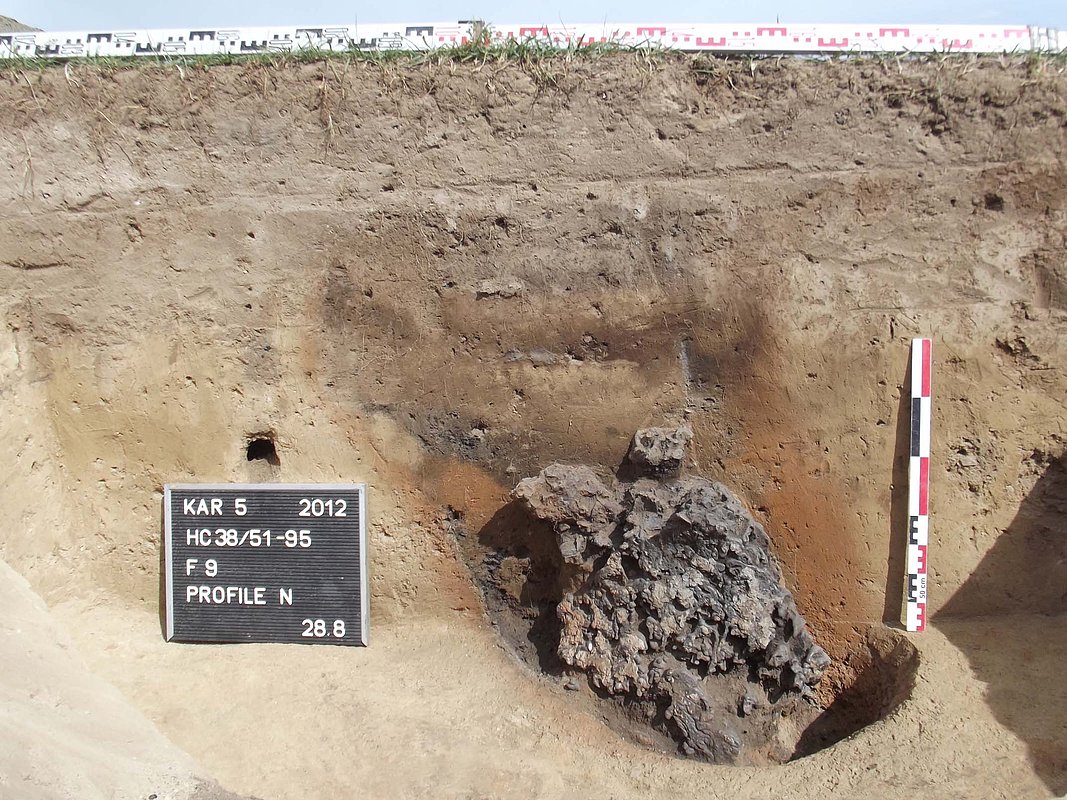
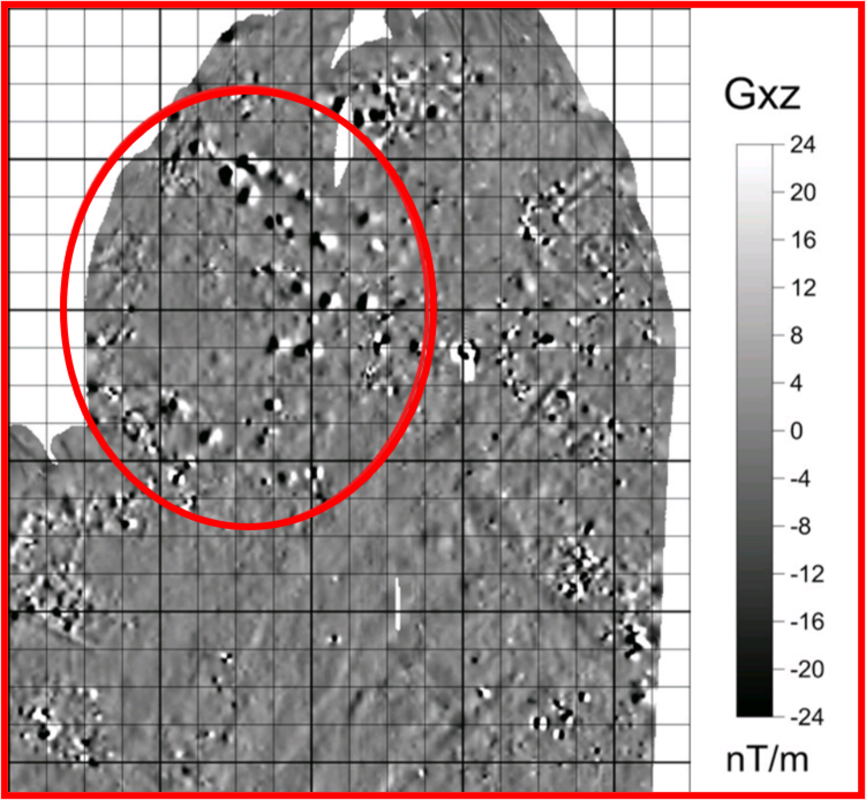
In addition, the detection and localization of strong anomaly sources provided evidence of former smelting furnaces, indicating the significance of the site as a satellite city in the vicinity of Karakorum.

Services of measuring system

During several weeks of operation under steppe conditions — characterized by constant temperature fluctuations, persistent dryness, and continuous sandstorms — the measurement system proved to be robust and reliable in operation, recording several hundred line kilometers even on rough and densely vegetated terrain. In this way, dozens of sites were successfully investigated in a non-invasive, contact-free mode.

References

  1. S. Linzen et al. “Quantum Detection Meets Archaeology – Magnetic Prospection with SQUIDs, Highly Sensitive and Fast.” In: *New Technologies for Archaeology*. Springer (2009).
  2. E. Pohl et al. “Production Sites in Karakorum and its Environment: A New Archaeological Project in the Orkhon Valley, Mongolia.” In: *The Silk Road Journal* (2012).
  3. M. Schneider et al. “Inversion of Geo-Magnetic SQUID Gradiometer Prospection Data Using Polyhedral Model Interpretation of Elongated Anomalies.” In: *IEEE Transactions on Magnetics* (2014).

Contact